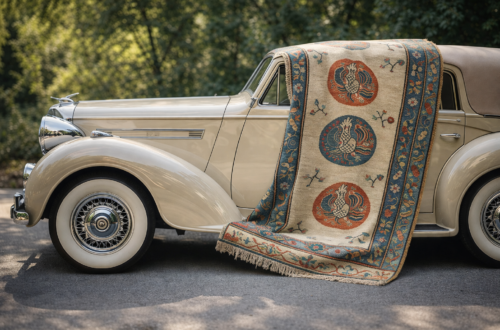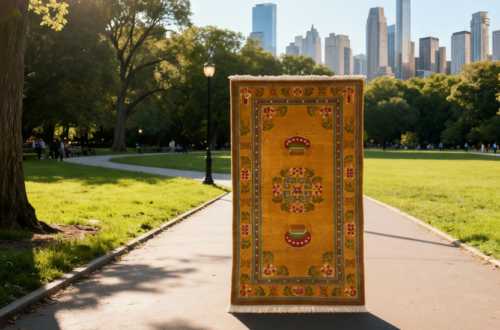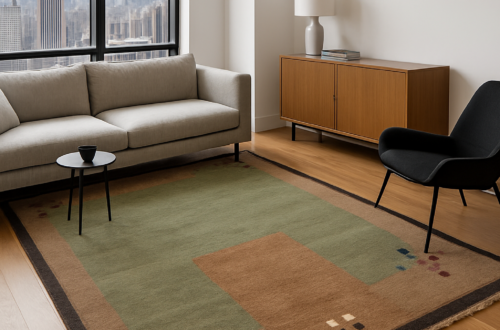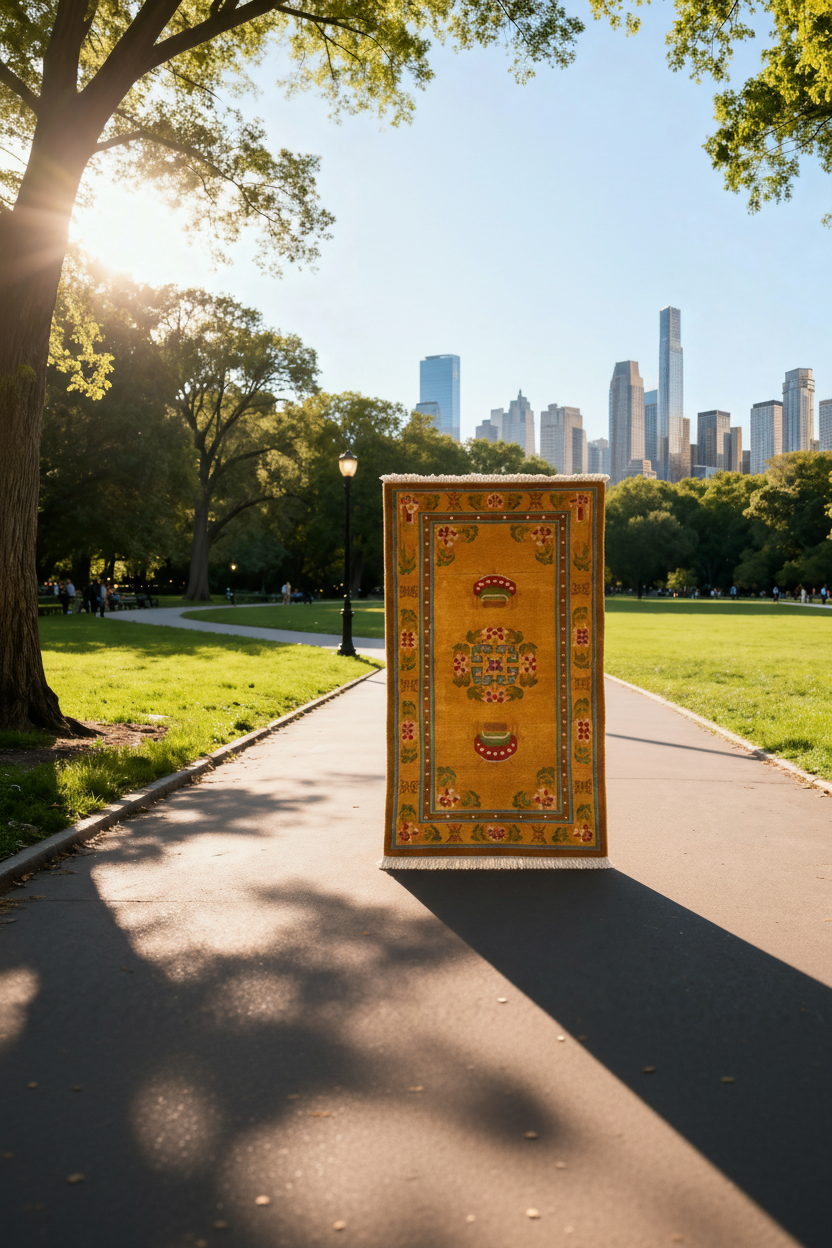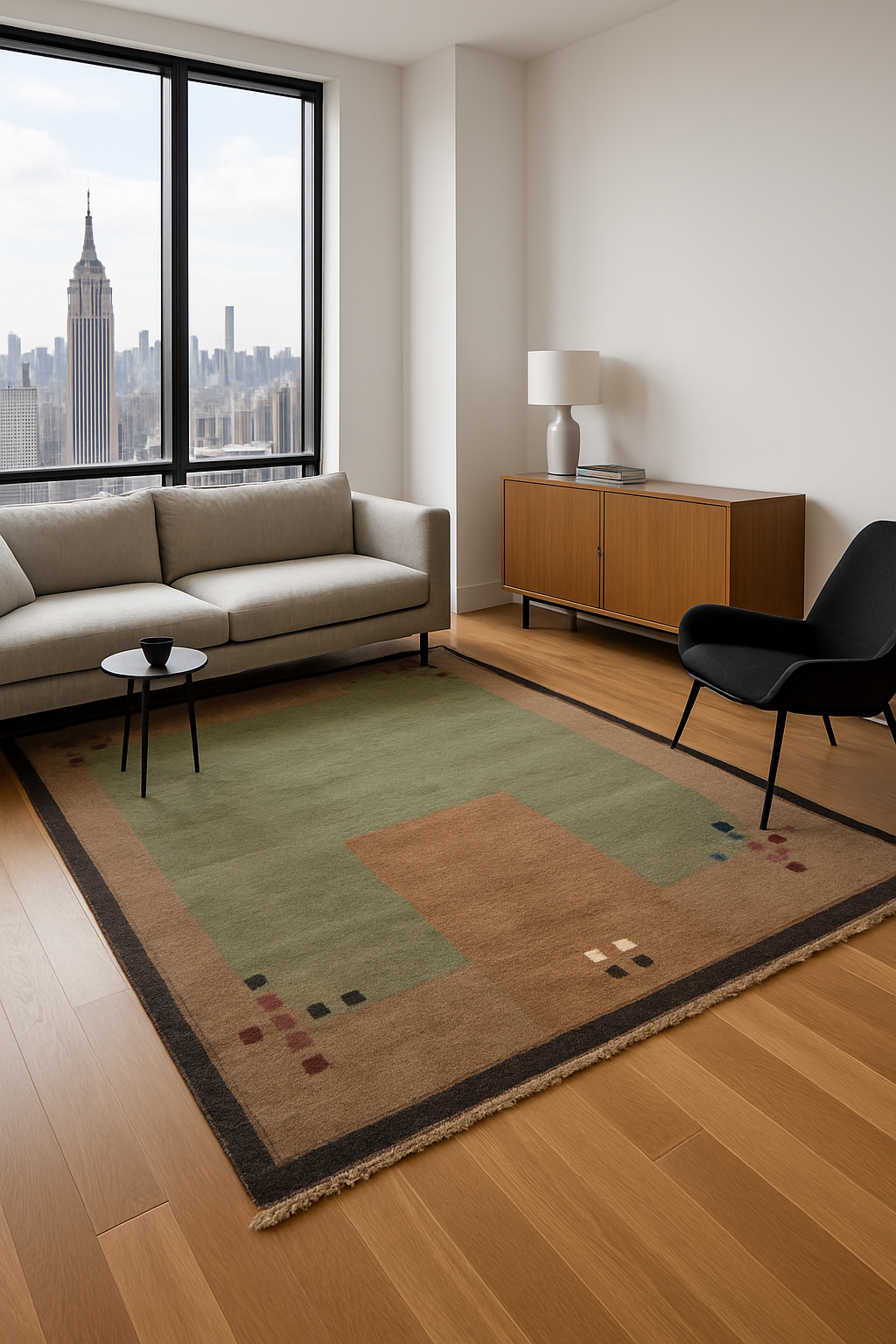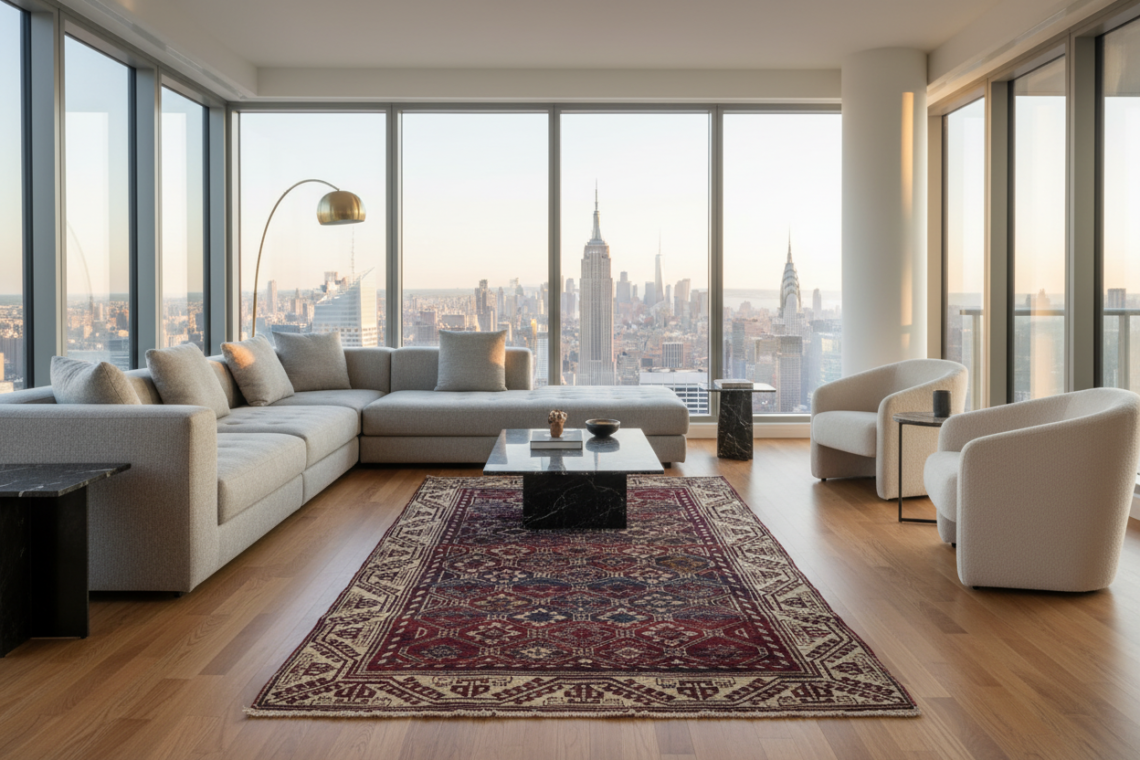
Investing in a hand-knotted Kashmiri, Persian, or Anatolian rug is a major design milestone. But let’s be honest: city living is not exactly a museum environment. Between open windows letting in urban dust, narrow apartment layouts forcing heavy foot traffic, and the inevitable spilled morning coffee, keeping a luxury rug looking pristine might sound stressful. However, these rugs were historically woven to survive nomadic tents and centuries of use. They are incredibly resilient if you know how to treat them. Here is your straightforward survival guide to caring for a hand-knotted rug in a busy city apartment. 1. Master the Vacuum (But Ditch the Beater Bar) City air is notoriously…
Turkish Bazar
-
-
How to read a rug: motifs and meanings from Kashmir, Persia, and Anatolia
When you look at a hand-knotted rug, what do you see? A beautiful geometric pattern? A stunning combination of crimson and indigo? To the artisans who weave them, a rug is not just a piece of floor covering—it is a blank page. For centuries, weavers across the Eastern hemisphere have used their looms to write poetry, record history, and cast protective spells. Every diamond, flower, and jagged line is a word in a deeply complex, woven language. If you know what to look for, you can literally “read” a rug. Here is a guide to deciphering the ancient symbols woven into pieces from three of the world’s most legendary rug-making…
-
Antique vs vintage vs modern: what’s the difference in rugs?
Navigating the world of rugs can sometimes feel like trying to decipher a secret language. Sellers toss around terms like “antique,” “vintage,” and “modern” interchangeably, but in the rug industry, these aren’t just buzzwords to make a carpet sound expensive. They are strict classifications based on age, dye techniques, and weaving history. If you are trying to figure out exactly what you are investing in, here is the definitive breakdown of the three main categories. 1. Antique Rugs: The Century Club For a rug to officially earn the title of “antique,” it must be at least 80 to 100 years old (typically woven before the 1930s). These are the rarest…
-
The women behind our Kashmir collection
When you unroll one of our Kashmiri rugs in your home, you aren’t just laying down a piece of decor. You are unfurling months—sometimes years—of intense human dedication. The intricate motifs and flawless symmetry you see don’t come from a machine. They are born from the calloused hands, sharp eyes, and quiet resilience of Kashmiri women artisans. While the beauty of a Kashmiri rug speaks for itself, the story of the women who weave them is what makes these pieces truly irreplaceable. The Keepers of the ‘Taleem’ If you were to stand inside a traditional Kashmiri weaving room, you wouldn’t hear the mechanical clatter of a factory. You would hear…
-
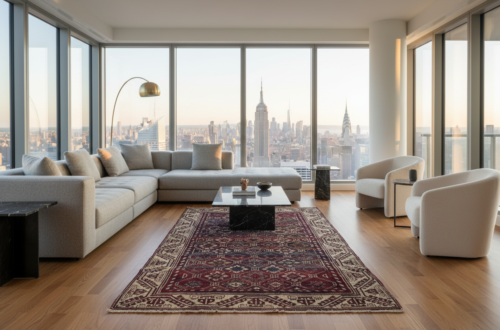
How to choose a rug for a New York apartment (without overwhelming the space)
Let’s be real—decorating a New York apartment is a game of millimeters. You want your space to feel cozy, curated, and uniquely yours, but the reality of city living means that one wrong piece of decor can suddenly make your living room feel like a walk-in closet. When it comes to interior design in tight quarters, the rug is often the biggest culprit of visual clutter. It anchors the room, but if you choose poorly, it can quickly swallow it whole. Here is exactly how to choose the right rug for a New York apartment without overwhelming your floor plan. 1. The Size Rule: Avoid the “Postage Stamp” Effect It…